


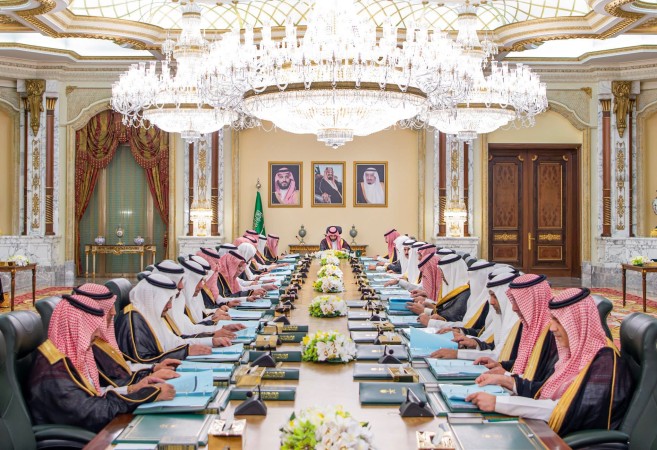

The session, chaired by HRH Crown Prince Mohammed bin Salman, underscores the shift from policy planning to active performance monitoring. By reviewing "general performance indicators," the Council of Ministers is ensuring that the ambitious goals of Saudi Vision 2030 are meeting their specific milestones and timelines.

Key Pillars of the Discussion
The Cabinet’s review focused on three vital drivers of the modern Saudi economy:
Growth of Local Content: A central tenet of the Kingdom’s strategy is reducing reliance on imports by fostering domestic industries. The "notable growth" mentioned suggests that Saudi-based manufacturing and services are increasingly capturing a larger share of government and private spending.
Expansion of National Supply Chains: In an era of global logistical volatility, the Crown Prince is prioritizing the resilience of internal supply networks. Strengthening these chains ensures that national projects remain insulated from external shocks.
Competitive Capabilities: The focus is not just on producing locally, but on ensuring that Saudi products and services meet international standards, allowing them to compete in global markets and diversify non-oil exports.
The "Accelerated Pace"
The Cabinet specifically noted the acceleration in the implementation of strategies. This reflects a transition period where early-stage initiatives (launched years ago) are now reaching maturity, contributing tangible results to the national GDP and the broader "march of progress."
Summary Note: This meeting reinforces the Crown Prince’s role as the primary architect of the Kingdom’s operational efficiency, moving the needle from broad developmental concepts to data-driven economic results.